Product & process development
Translate a need into workable requirements. Bring manufacturing considerations into design decisions early, then support prototypes, testing, refinement, and the transition into production.
PRODUCT DEVELOPMENT & PROJECT MANAGEMENT
Connect the product, tooling, equipment, and people who have to make it—then use AI where it helps move the work forward.
PROJECT MANAGEMENT THROUGHOUT
A design develops through people, decisions, testing, and follow-through.
For much of my career, I’ve managed projects for customers developing products, including people who came to a plastics manufacturer with a part they wanted to make.
That means helping clarify the need, coordinating engineering and tooling, following the issues, and connecting development to production. It also means recognizing when a business, funding, intellectual-property, or market question affects the plan.
That experience now informs AN Creation: helping inventors and entrepreneurs organize the whole project and use AI to prepare the next step.
About AN Creation More on project managementDESIGN WITH PRODUCTION IN MIND
Translate a need into workable requirements. Bring manufacturing considerations into design decisions early, then support prototypes, testing, refinement, and the transition into production.
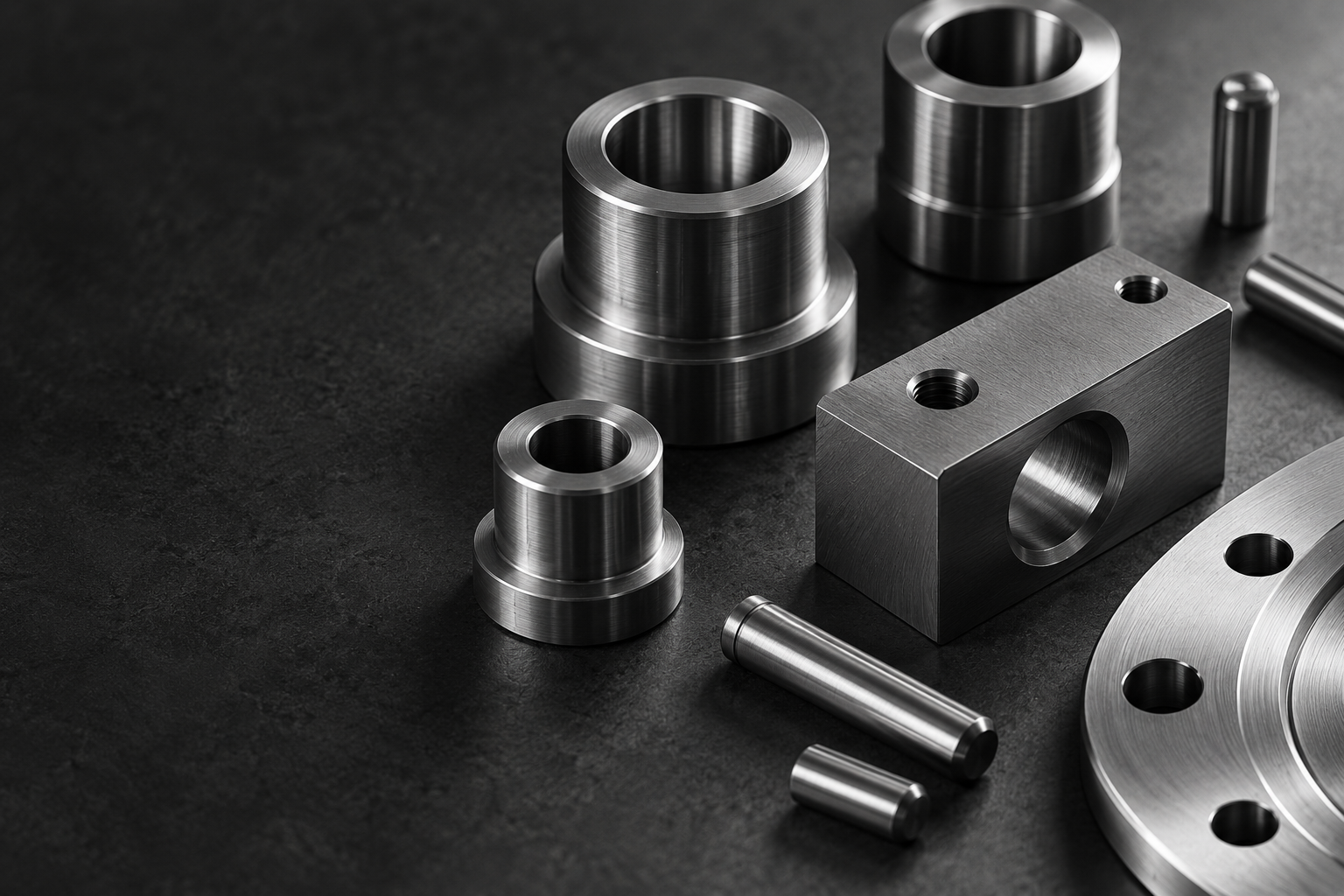
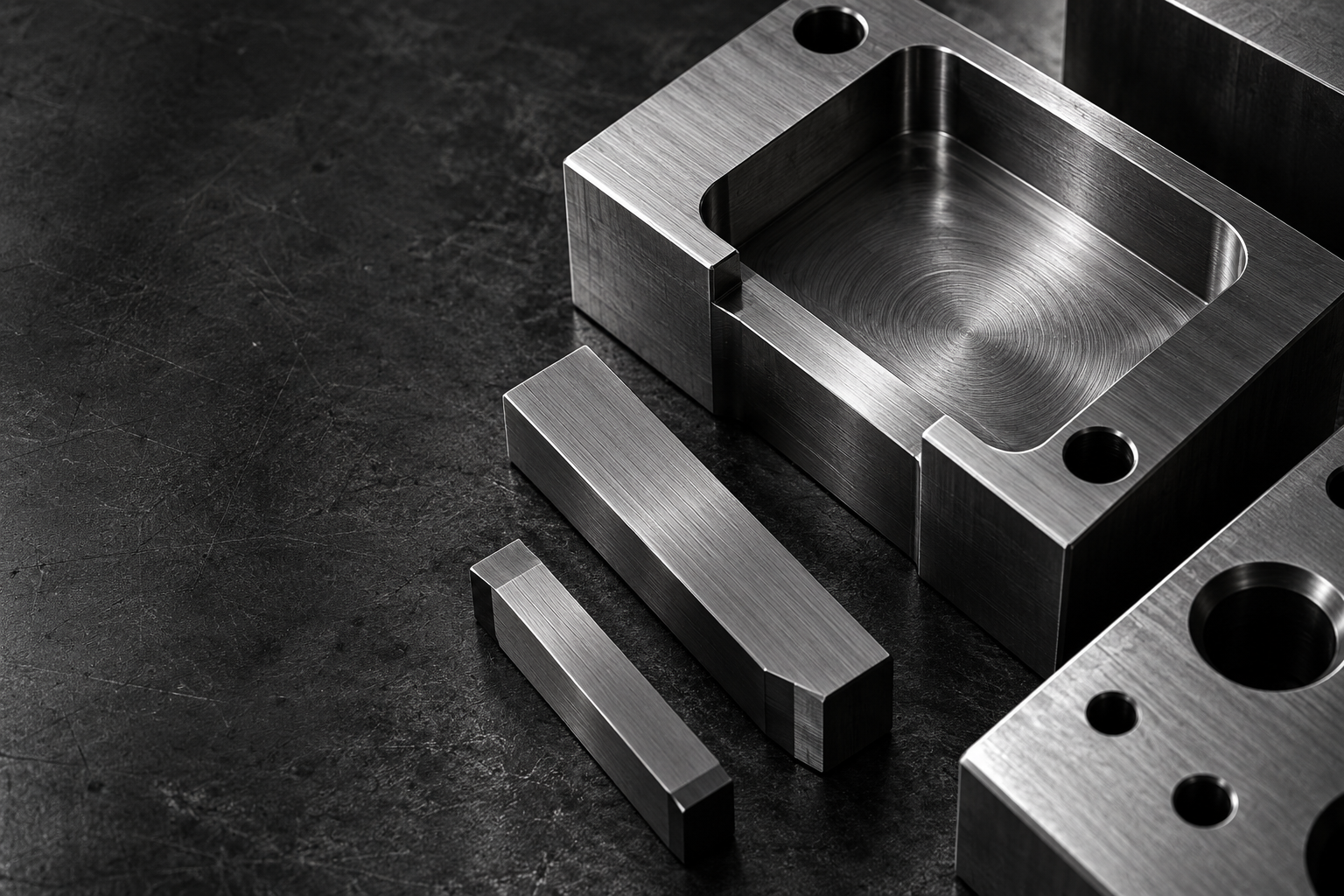
Experience with molding tools, assembly devices, test fixtures, and secondary operations. Consider part handling, repeatability, access, and how the work will actually be performed.
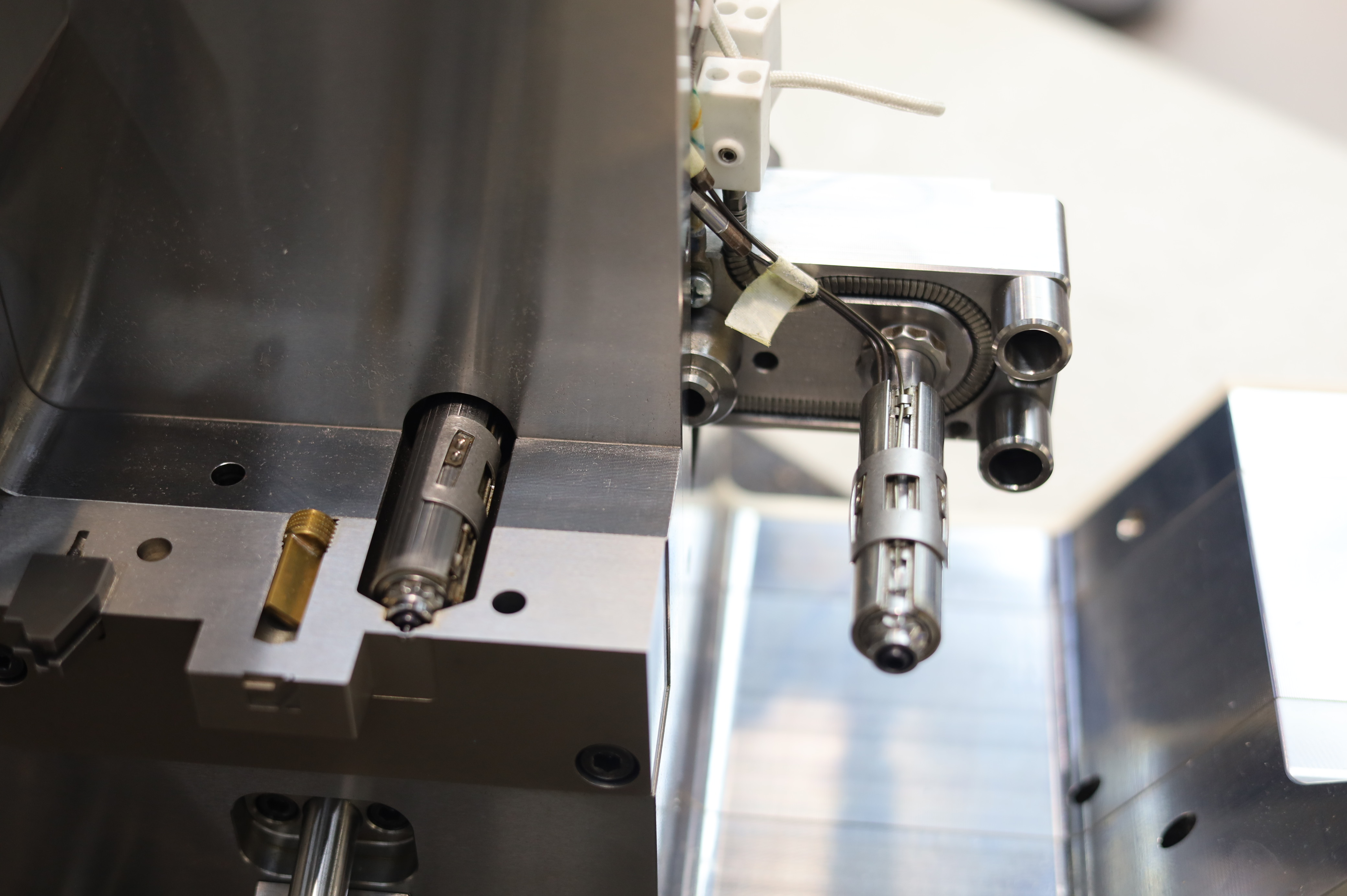
Bring practical experience with Cartesian robots, equipment sequencing, and assembly automation to the evaluation of an automated process and its surrounding workflow.
Define the job, compare alternatives, and test performance. Look at repeatability, response, process capability, maintenance demands, and integration—not just the specification sheet.
Connect molding performance with cooling, flow, pressure drop, and the equipment supporting the process. Use calculations and field measurements to inform changes.
Help engineers use AI to organize requirements, explore calculations, review information, prepare documentation, and build task-specific tools—with engineering review built in.
A CONNECTED VIEW
A product has to be made, measured, assembled, and supported.
My career has included designing parts and tools, building fixtures and test equipment, evaluating machinery, implementing automation, and bringing work into production.
That breadth helps expose problems at the handoff: a fixture that makes measurement inconsistent, an automation concept that complicates setup, or a utility constraint that limits the process.
GOVERNMENT & MILITARY EXPERIENCE
A substantial part of my career has involved military-related products, packaging, testing, and approval work.
From specialized tool storage and molded products to equipment used by the warfighter, the work required attention to requirements, documentation, testing, and production.
Earlier, I served in the U.S. Air Force, working on fighter jets.
Explore government & military experienceAI IN PRODUCT DEVELOPMENT
Use AI to organize requirements, compare approaches, identify unknowns, and draft questions for tooling, manufacturing, and testing specialists.
Check calculations, assumptions, geometry, and sources against the actual job. A plausible-looking picture or explanation is not proof that something can be made or will work.
WORK WITH MIKE
My personal consulting is a premium service for people and organizations that want my direct involvement. If your budget is tight, start with AN Creation. The resource is there to help you make progress without hiring me.
Talk with MikeELECTRONICS / PRODUCT REALIZATION
Monitoring software. Charger boxes. Power tools. Products that bring electronics, software, and mechanical parts together.
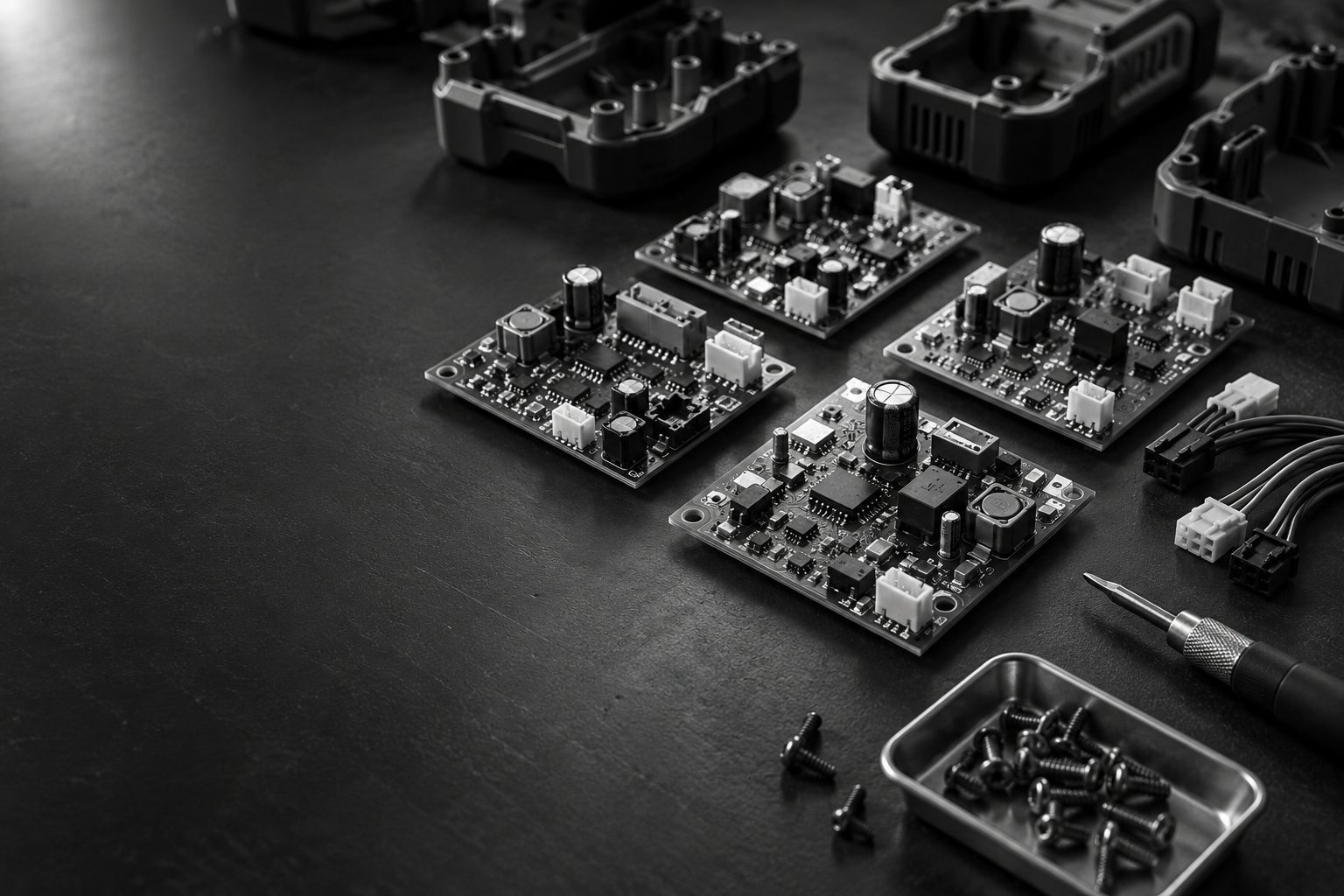
Electronics-related project management has been an important part of my work. A small circuit board is one part of a larger product: the housing, connections, assembly approach, requirements, testing, and people doing the development all have to come together.
I’m not an electrical engineer. My contribution is managing the project, working with the technical specialists, and keeping the interfaces, decisions, and next steps connected to the product we are trying to realize.
That perspective also draws on my aircraft background. In the Air Force, I maintained electrical and electronic systems on fighter jets. That hands-on experience contributes to how I approach products involving several interacting systems today.